The single most common reason people put off dancing is the belief that they need someone to come with. Good news: you can absolutely learn salsa without a partner, and showing up solo is genuinely one of the fastest, most fun ways to learn. If you have been waiting for a friend, a date, or a significant other to say yes, this is your permission to stop waiting and just go.
How partner-optional classes actually work
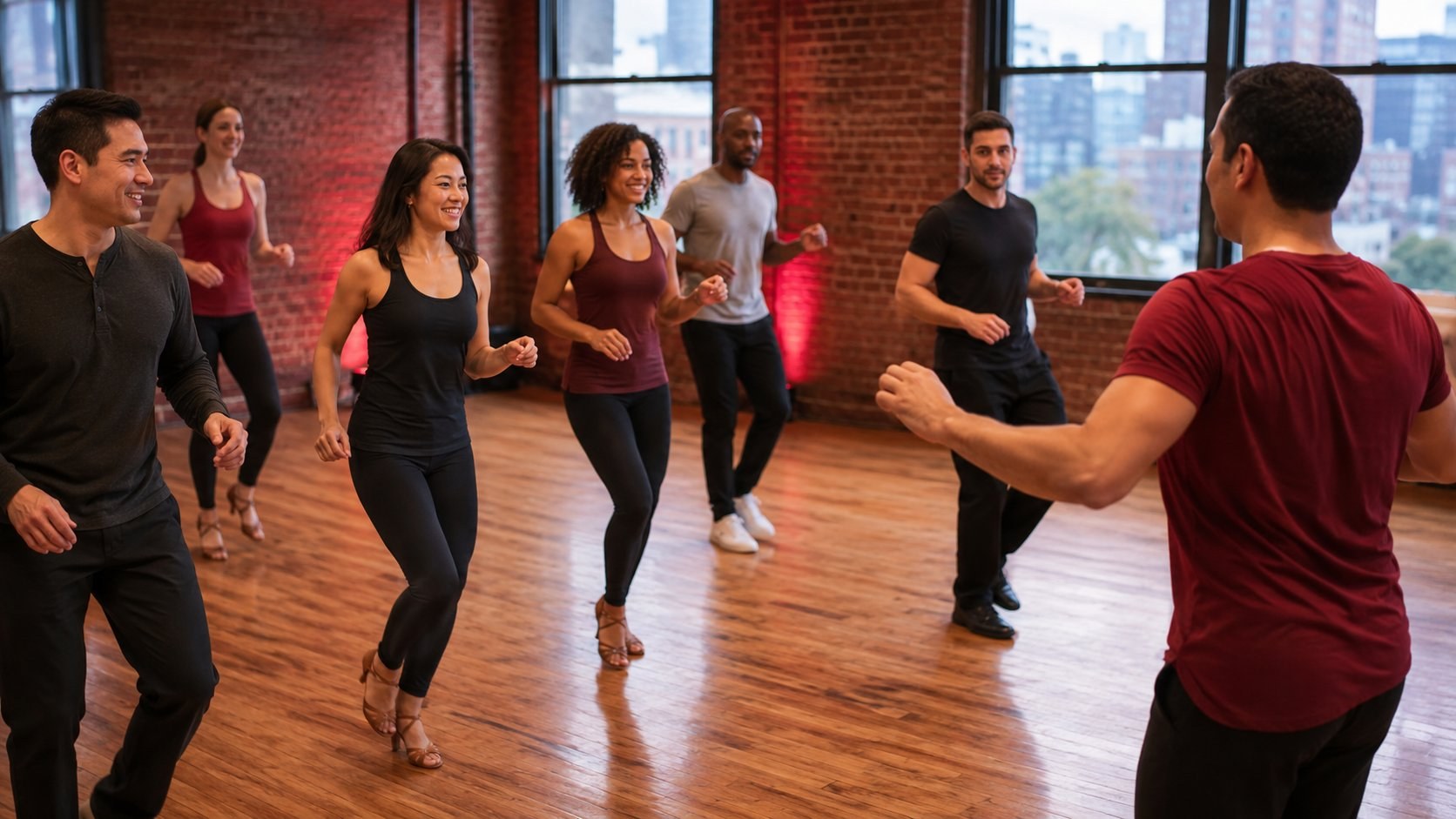
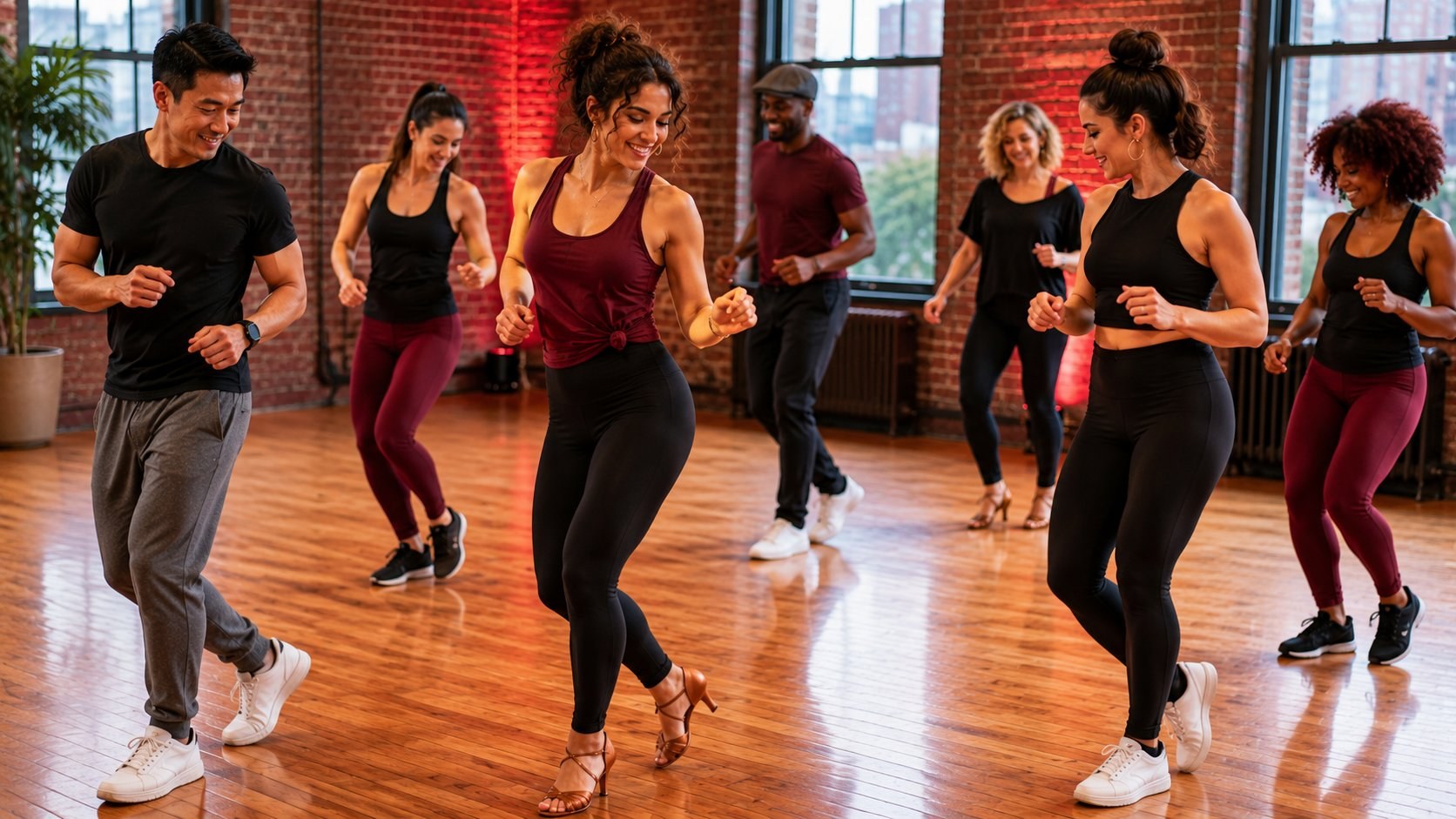
Beginner salsa classes are designed around rotation. The group forms two lines or a circle, and everyone shifts to a new partner every few minutes. That means you are never paired off for the whole class and never left standing alone. If there is an uneven number of leads and follows — which there almost always is — the instructor and assistants step in so nobody sits out. You came alone, but you will dance with a dozen people by the end of the hour.
Why solo students improve faster
It sounds backwards, but coming without a partner often makes you a better dancer. Here is why:
- You feel many styles. Dancing with different partners teaches your body to adapt — to a firm lead, a light one, a tall follow, a quick one. That adaptability is the whole skill of social dancing.
- You can''t lean on one person. Couples who only ever practice together build habits that only work with each other. Rotating forces you to communicate clearly with anyone.
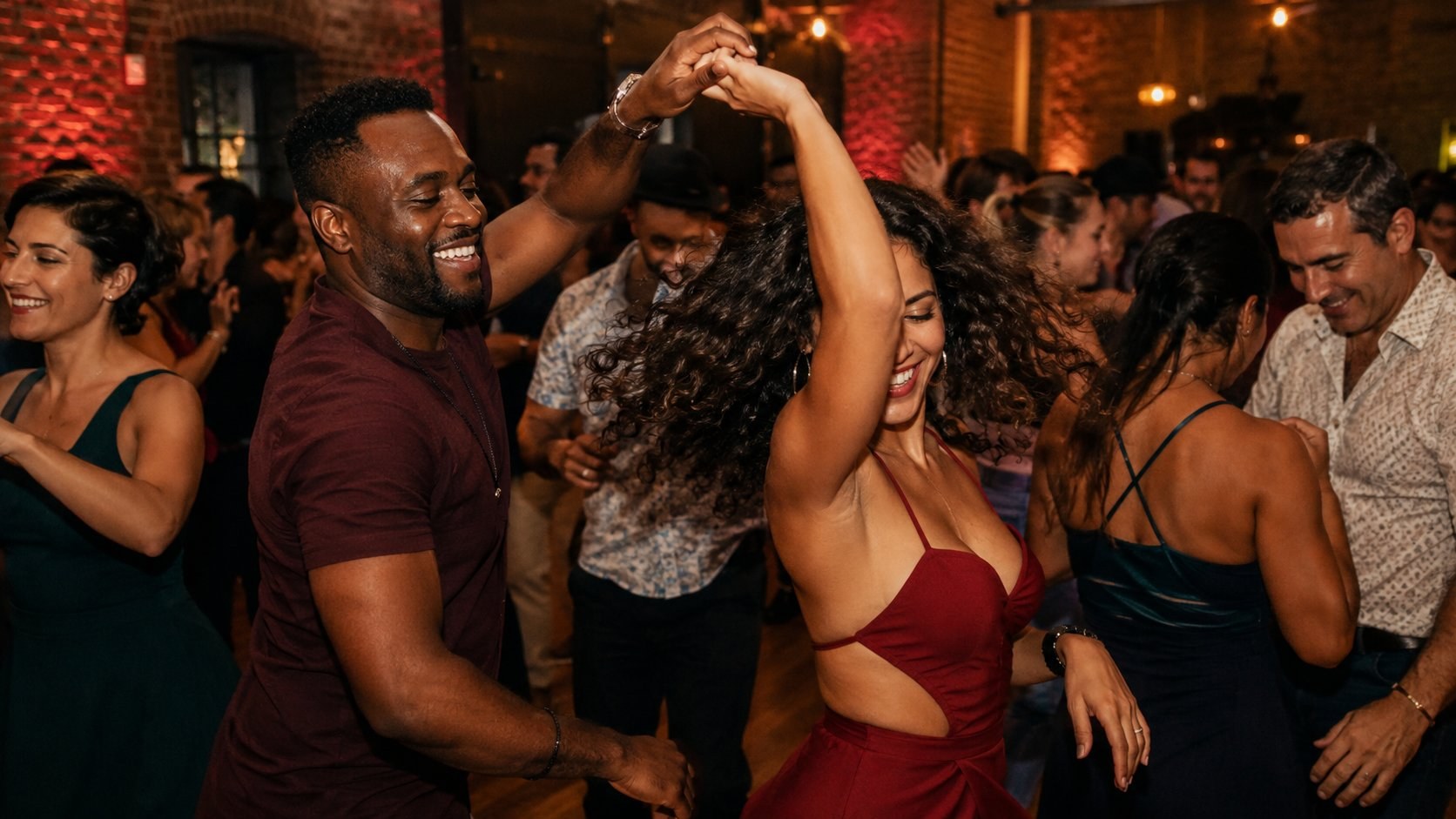
- You meet the community. The people you rotate with on week one are the people you will see at socials later. Salsa is as much about community as steps.
What if I''m shy?
Completely normal — most people walking in solo feel exactly the same way. The structure of a class is your friend here: the instructor tells everyone when to switch, so there is no awkward "will you dance with me?" moment to navigate. You are all beginners, you are all a little nervous, and that shared awkwardness dissolves into laughter within minutes. By the second rotation, most solo students forget they were ever worried.
Leads and follows, not men and women
Modern salsa classes think in terms of roles — lead and follow — rather than gender. Anyone can learn either role, and some dancers eventually learn both. If you come solo, you simply pick the role you want to start with and join that line. This makes classes welcoming for everyone and means your gender or who you came with never determines whether you can participate.
Can I practice alone at home?
Yes, and you should. Footwork, timing, and body movement are all things you can drill solo in your kitchen. Put on a salsa track, find the count, and run your basic step. Spending even ten minutes between classes practicing your footwork will make the partnered parts feel dramatically easier, because half of partner dancing is just owning your own steps first.
What if you do have a partner?
Couples are welcome too — but here is a tip: rotate anyway. Dancing only with the person you arrived with is the most common reason couples plateau, because you end up learning each other's habits instead of the actual technique. Split up during the rotation, dance with the whole room, and come back together at socials. You will both improve faster and have far more to share when you do partner up.
Just show up
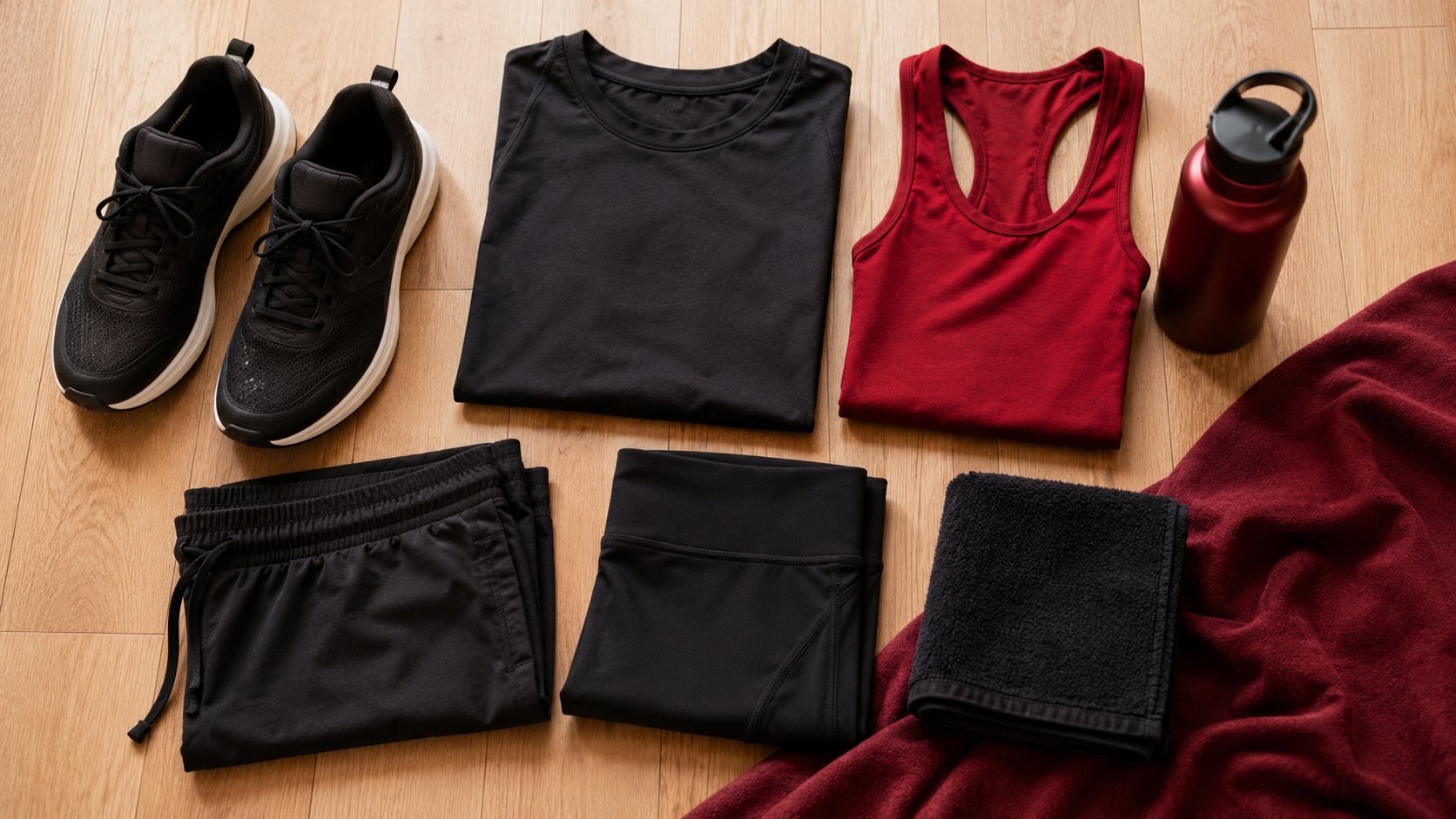
The hardest part of learning salsa is not the dancing — it is deciding to walk through the door the first time. You do not need a partner, a costume, or any experience. LIC Salsa School''s classes at 42-01 Crescent St in Long Island City are partner-optional and beginner-friendly, with rotation built in so solo students are always included. Book a drop-in, come as you are, and let the room take care of the rest.