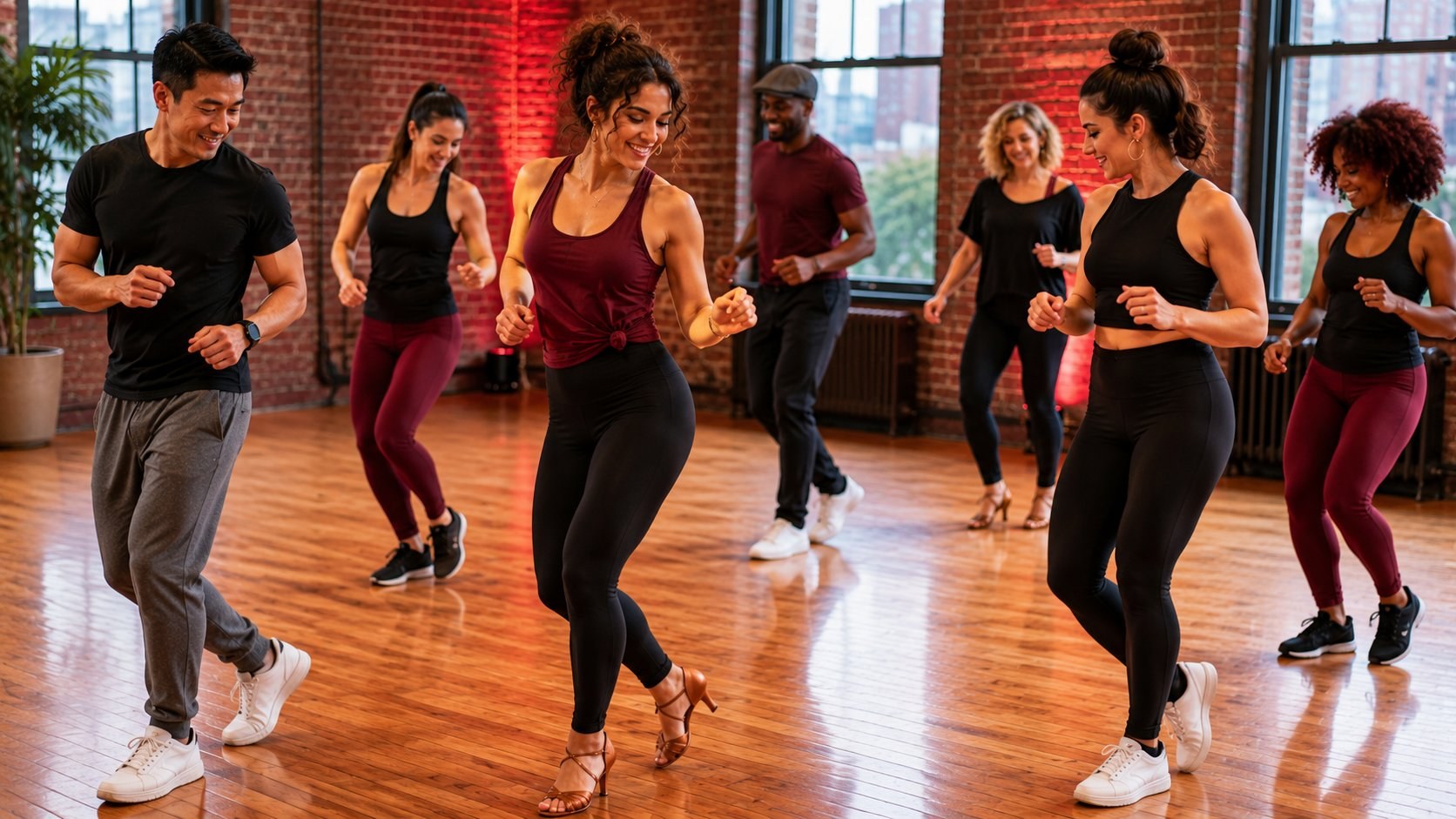
Walking into your first salsa class can feel a little intimidating — most people picture a room full of experts and worry they will be the only one who does not know what they are doing. The reality is the opposite. A beginner class is built for people with zero experience, and within the first ten minutes you will be moving to music. Here is exactly what to expect so you can show up relaxed and ready to enjoy it.
Before class: keep it simple
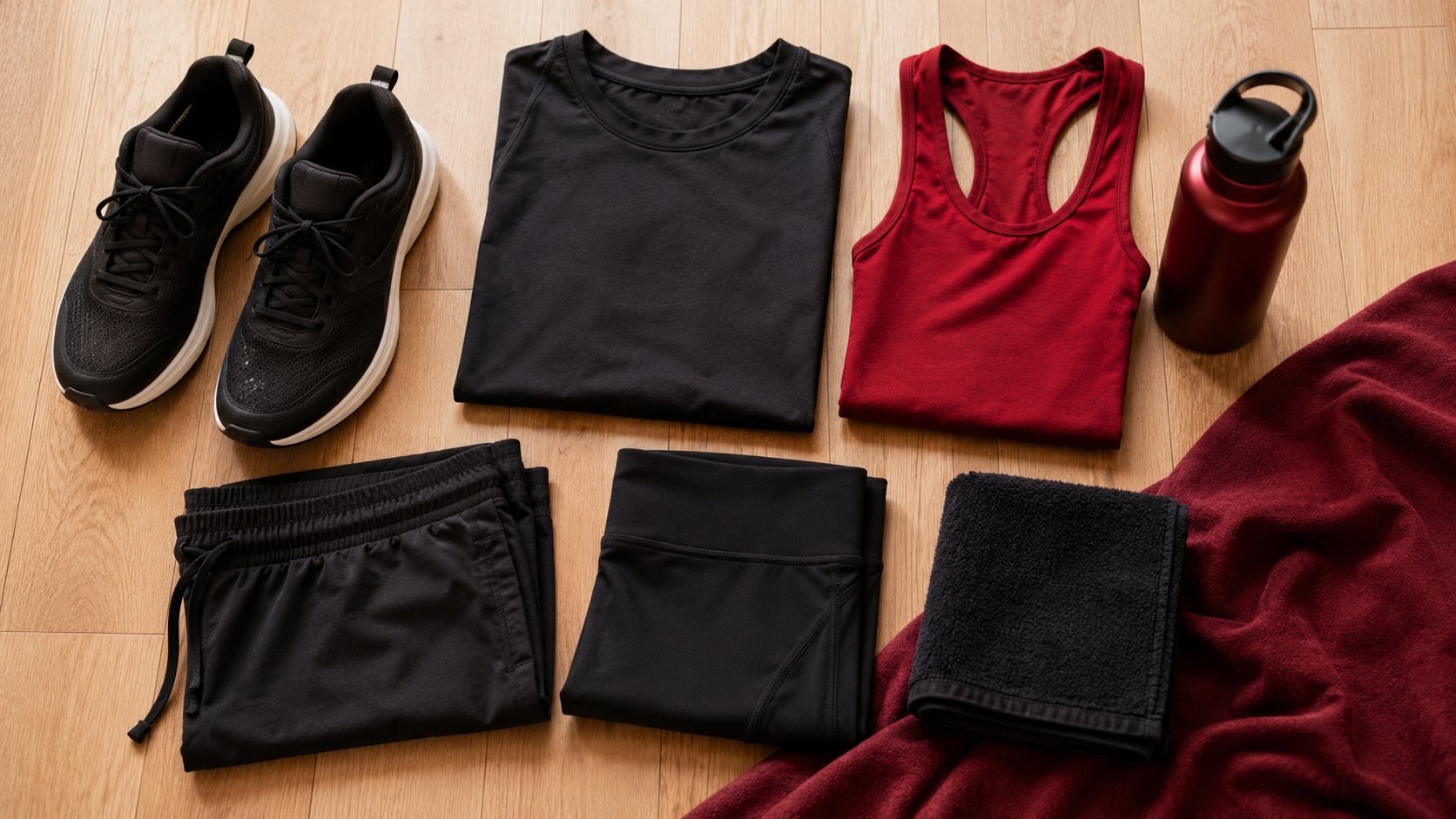
You do not need special clothes, a partner, or any prior dance background. Wear something comfortable you can move in and shoes with a smooth sole that lets you pivot — sneakers with heavy grip can catch on the floor. Arrive five or ten minutes early so you are not rushing, drink some water, and leave the nerves at the door. Everyone in a beginner room is starting from the same place.
The warm-up and the count
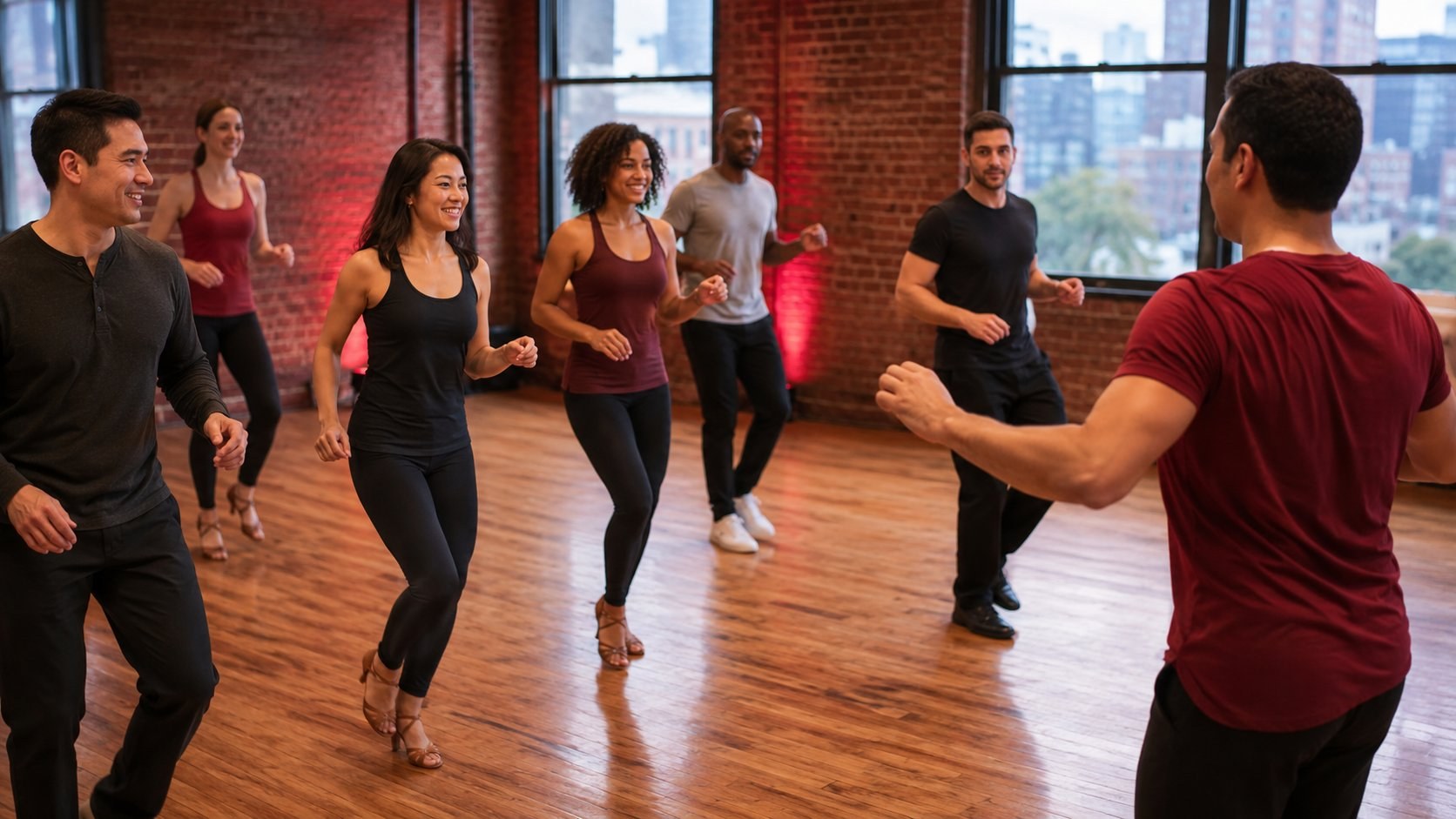
Most classes open with a short warm-up to loosen up and get you hearing the music. Salsa is counted in eights, but you really dance to six steps with two pauses, so your instructor will break it down slowly: step, step, step, pause. You will practice this on your own first, with no partner and no pressure, until the basic step starts to feel automatic. This is the foundation everything else is built on, so do not worry about looking smooth yet — just find the count.
Footwork before fancy moves
Next comes the basic step and a few simple variations — going forward and back, side to side, and a basic turn. Good instruction layers these one at a time so you are never overwhelmed. If something does not click immediately, that is completely normal; salsa is a skill that lands in your body through repetition, not through understanding it perfectly in your head. By the end of one class, the basic step usually feels far less mysterious than it did at the start.
Partnering and rotation
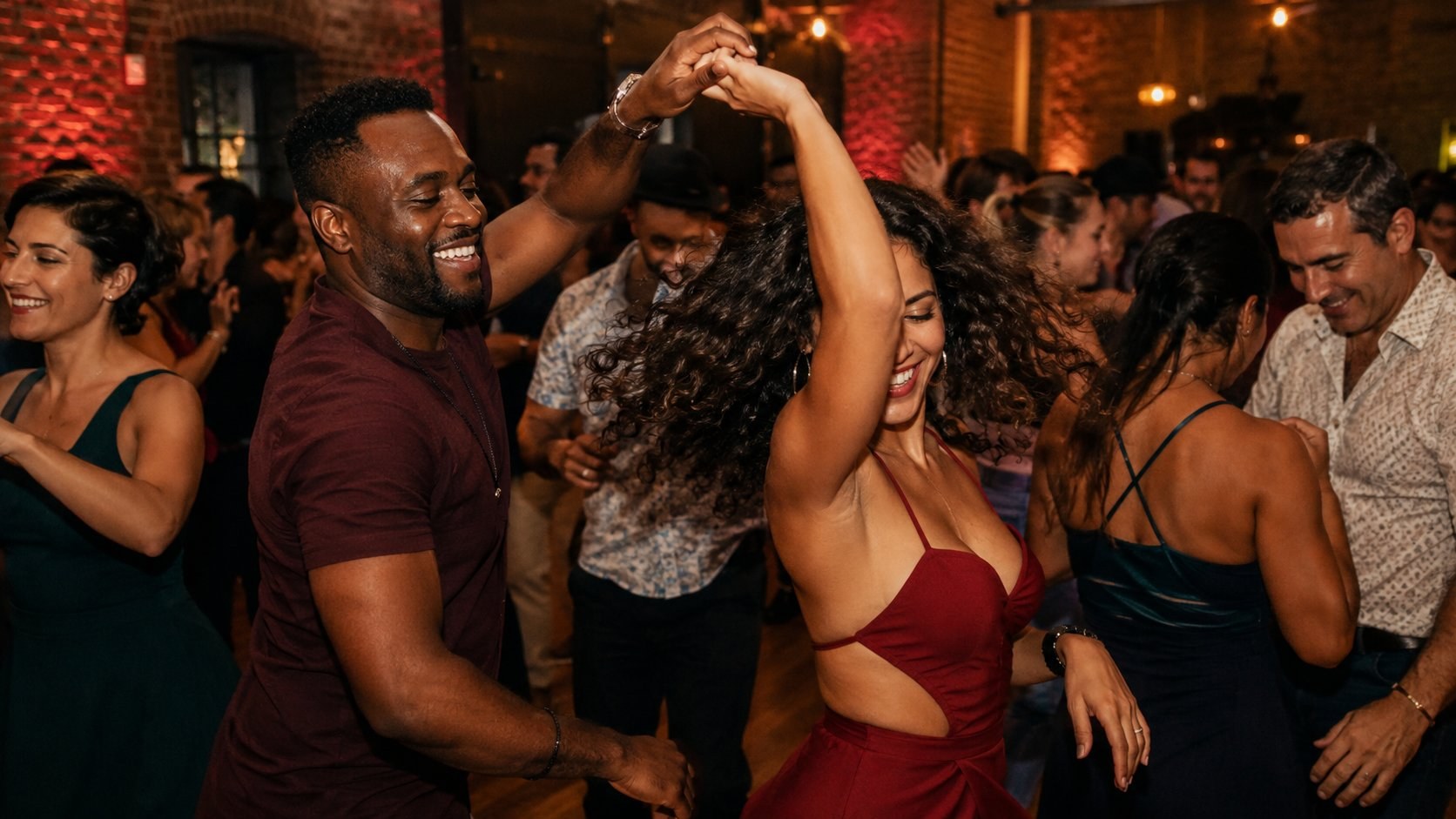
If the class includes partnerwork, the group typically rotates so everyone dances with several different people. This is one of the best parts of learning salsa: rotation means you are never stuck, you learn faster by feeling different dancers, and it makes the room friendly fast. You do not need to bring anyone — partner-optional classes are designed so solo students are fully included. Leads learn to invite a move clearly; follows learn to wait for and respond to that signal.
What you will actually feel
Expect to laugh, step on the beat one minute and miss it the next, and leave a little sweaty and a lot more confident. Almost everyone walks out of their first class surprised by how much fun it was and how quickly an hour went by. You will not be a polished dancer after one night — nobody is — but you will have the basic step, a sense of the timing, and a clear idea of what to work on next.
A few first-timer tips
- Count out loud quietly to yourself — it locks in the timing faster than counting in your head.
- Relax your shoulders. Tension is the enemy of smooth movement.
- Ask questions. Instructors expect them and the person next to you probably has the same one.
- Come back. Two or three classes in a row is when it really starts to click.
Where to start
LIC Salsa School runs beginner-friendly classes at 42-01 Crescent St in Long Island City, with both Salsa On 2 and Cuban styles and no partner required. You can book a single drop-in to test the waters or come to an intro class. Reserve a spot, show up curious, and let your first salsa class be the easy one.